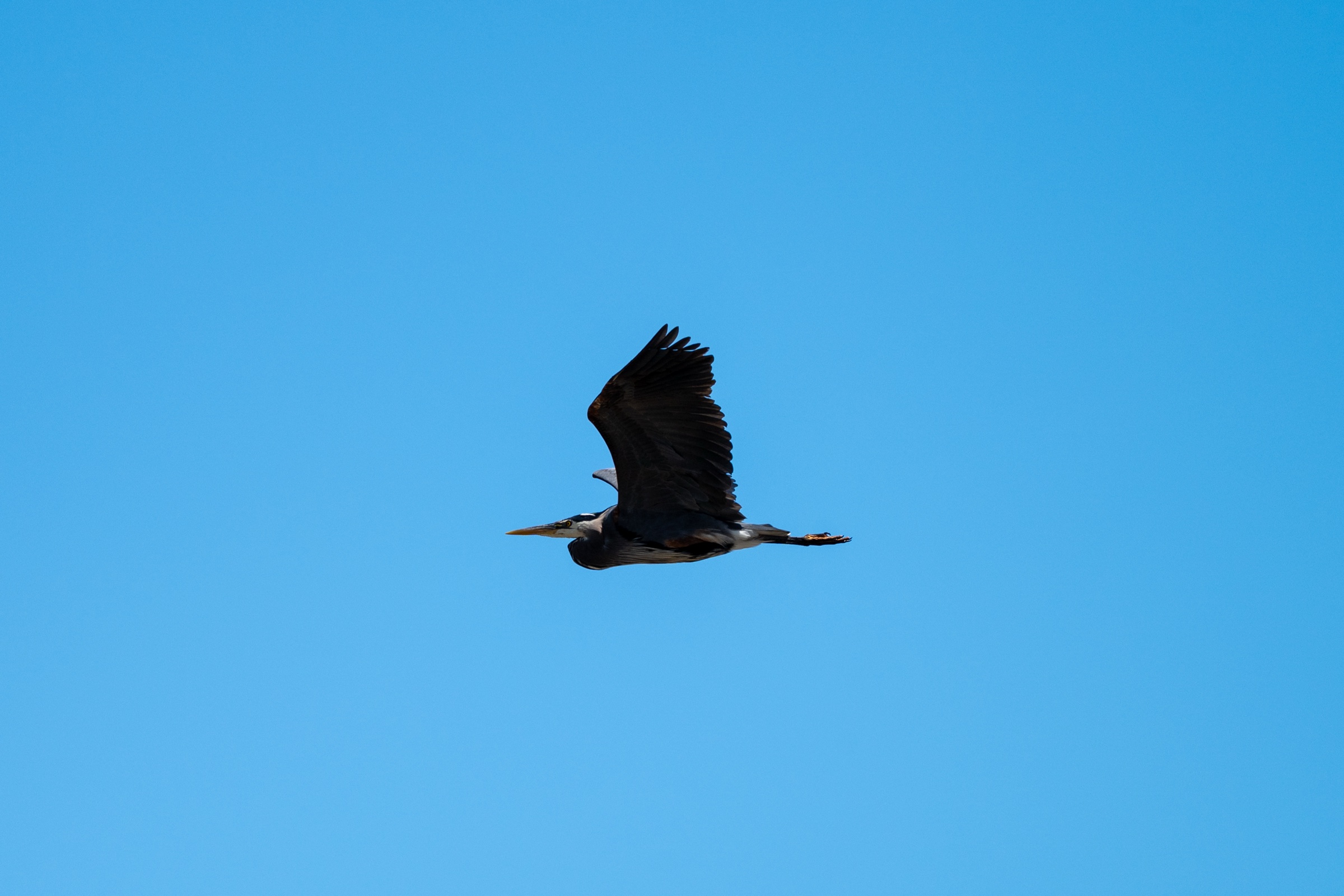
No. I
Great
Blue Heron
Ardea herodias
- Locality
- Discovery Park
- Season
- Late spring
Males choose the nest site while the female builds it, often high up in mature trees above standing water to deter predators.
Males choose the nest site while the female builds it, often high up in mature trees above standing water to deter predators.
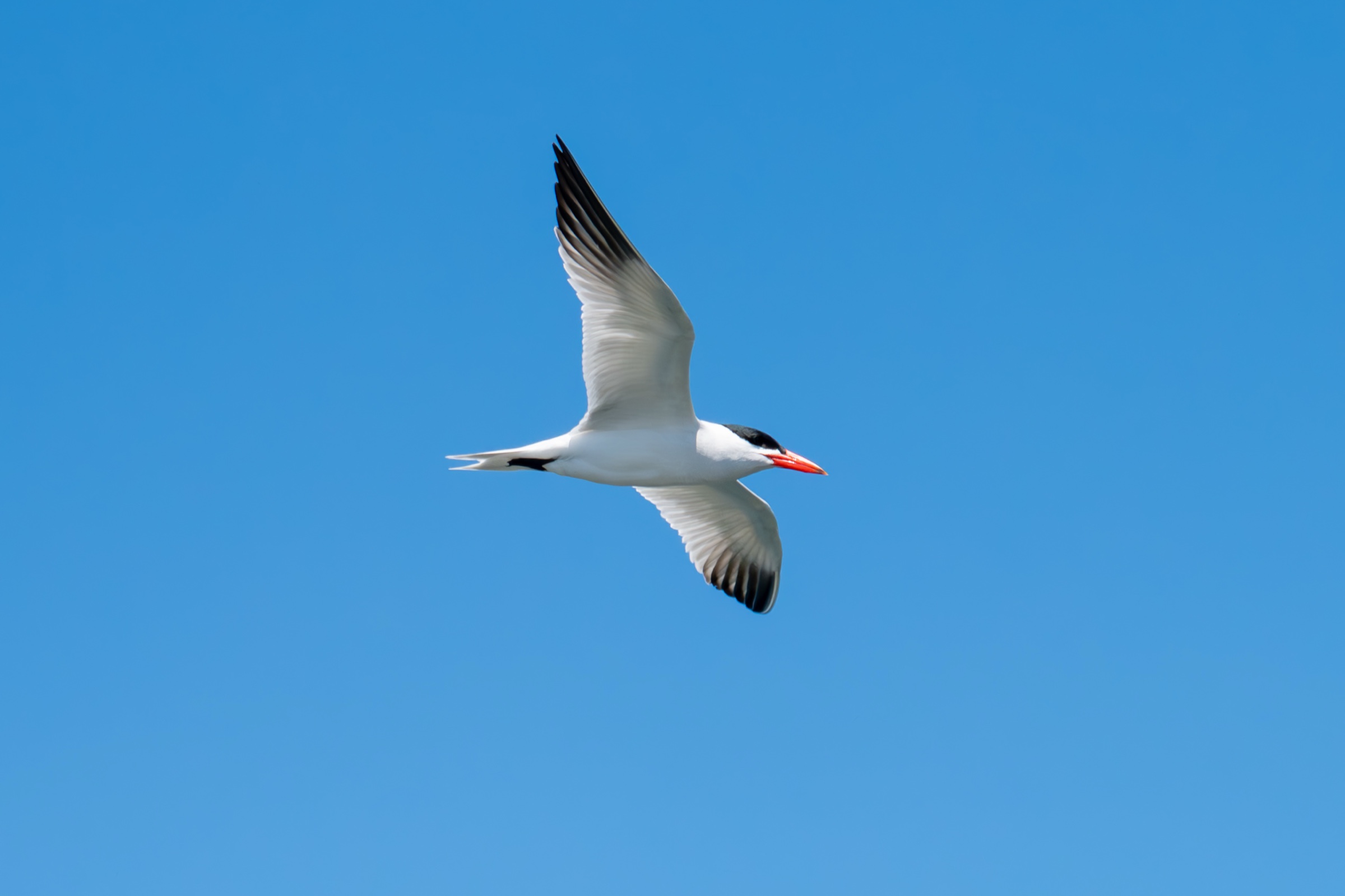
The red bill is what gives it away. Without it, easy to mistake for a gull at a distance.
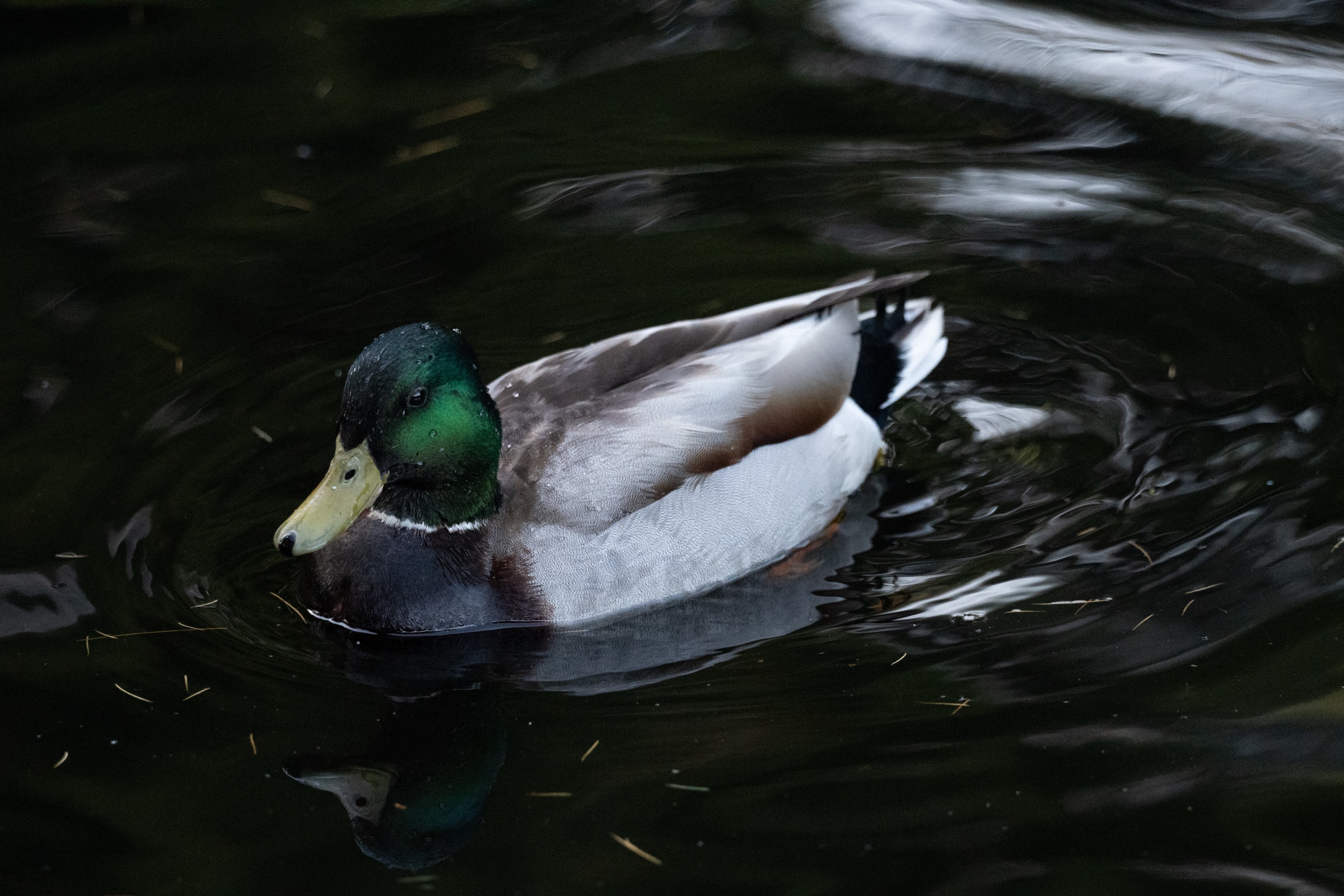
The head only reads iridescent green in direct light, otherwise it's just dark. This is a handsome male.
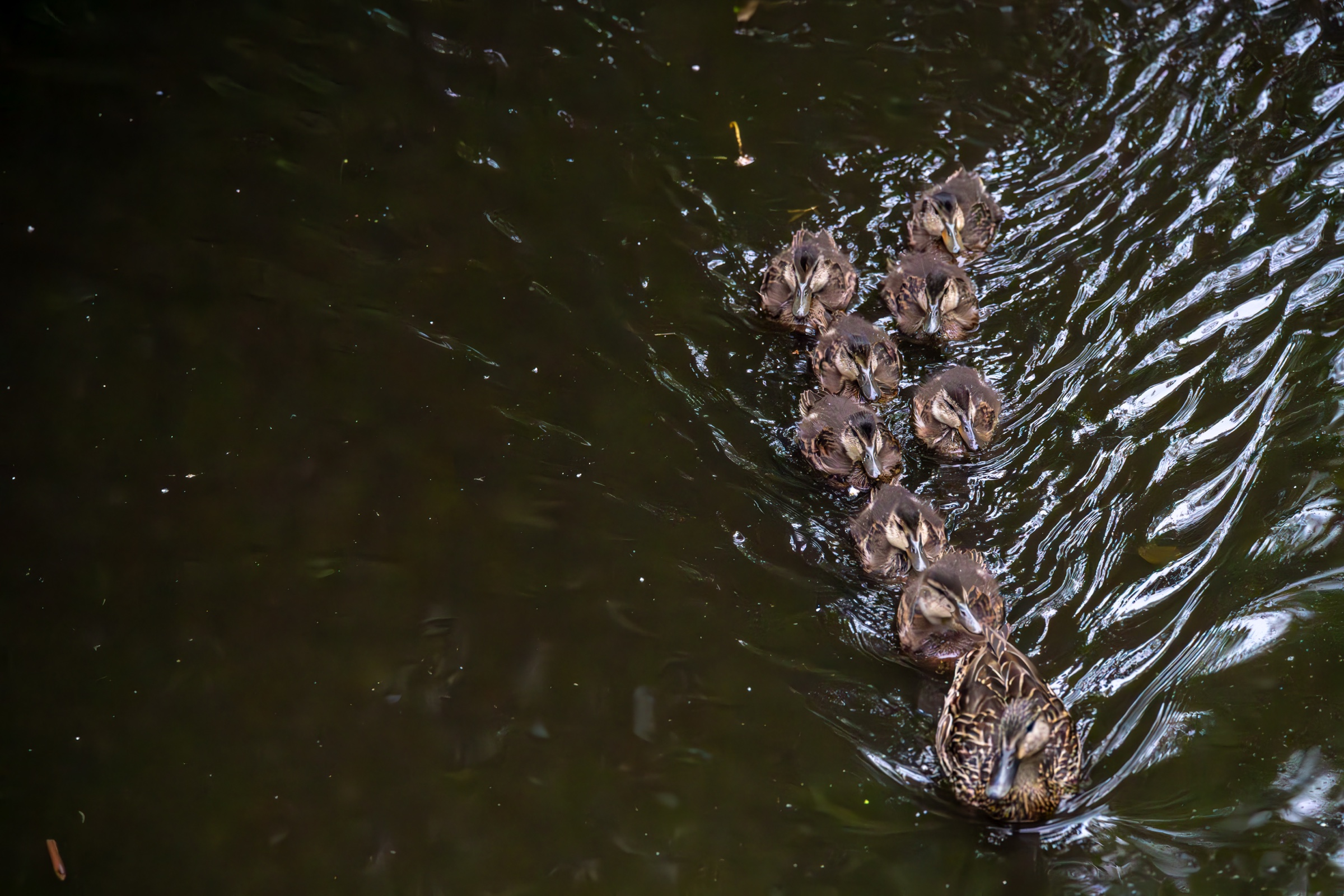
A mom with her babies.
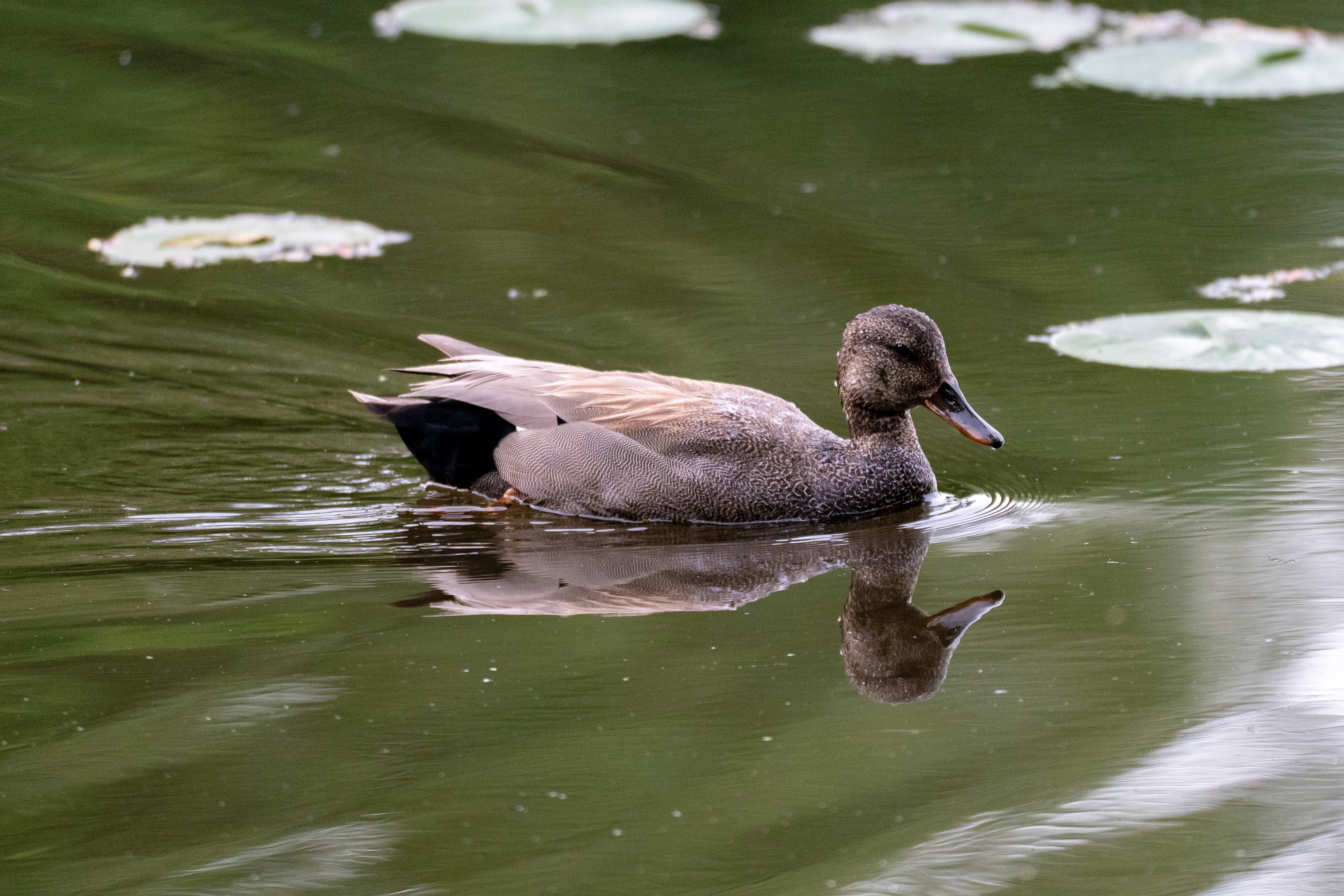
You might look at this and think, "ahh, the common female Mallard," and you would be WRONG. This is the Gadwall, which steals the food of the Mallard as soon as it returns from diving. Look for the fine vermiculation vs. larger brown patterning.
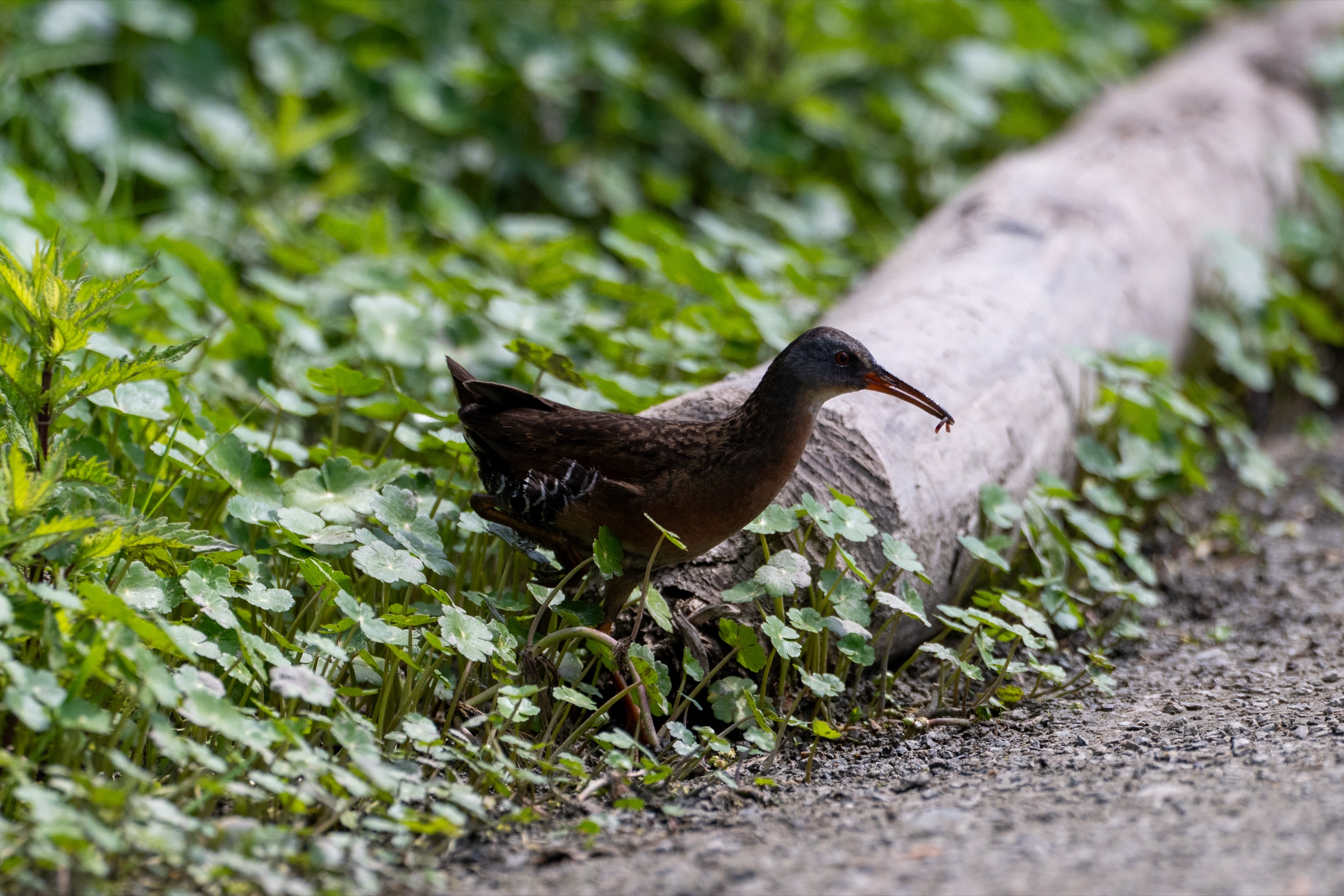
Rails stay hidden, and I heard this one before I saw it. Also, they inspired the saying "thin as a rail!"
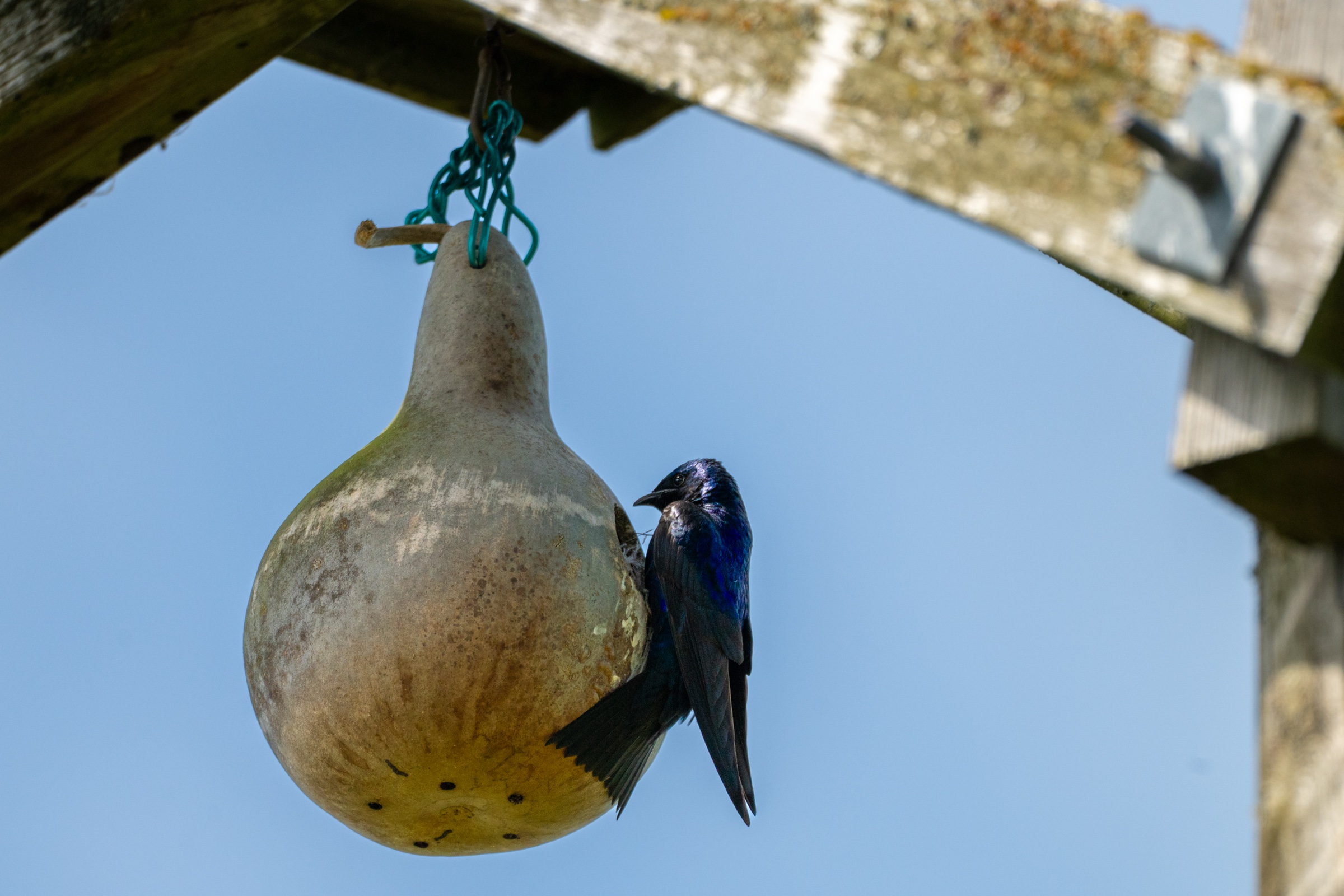
This is a male feeding some babies in a classic gourd birdhouse, which they're addicted to! They almost totally rely on humans for housing.
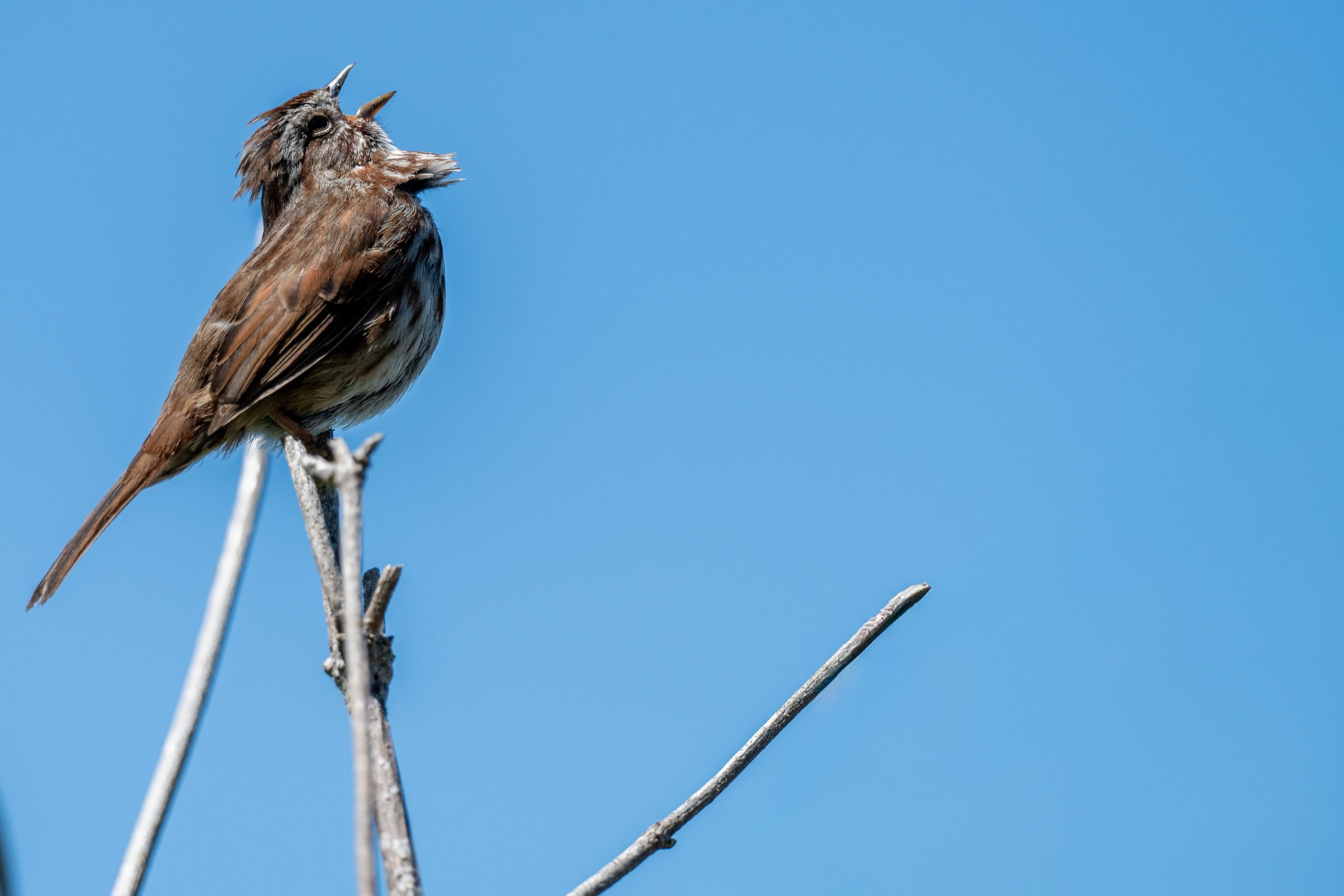
These are noisy birds that you've probably heard a hundred times, one of ~21 different species of sparrow found in the PNW.
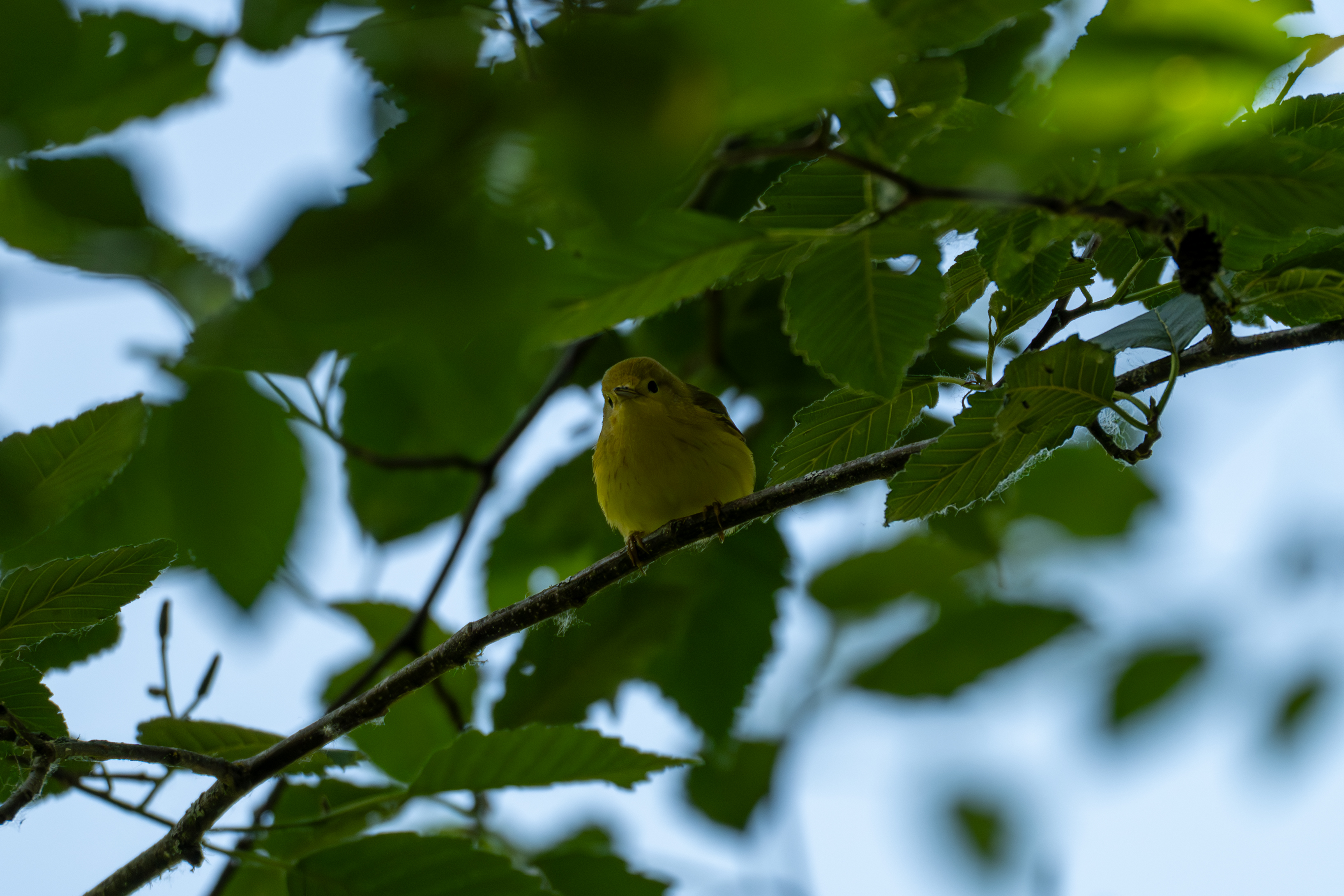
The Brown-headed Cowbird will sometimes lay eggs in the Yellow Warbler's nest. Instead of raising the chicks, the Yellow Warbler will occasionally build a new nest on top and lay new eggs. One nest was found with six layers.
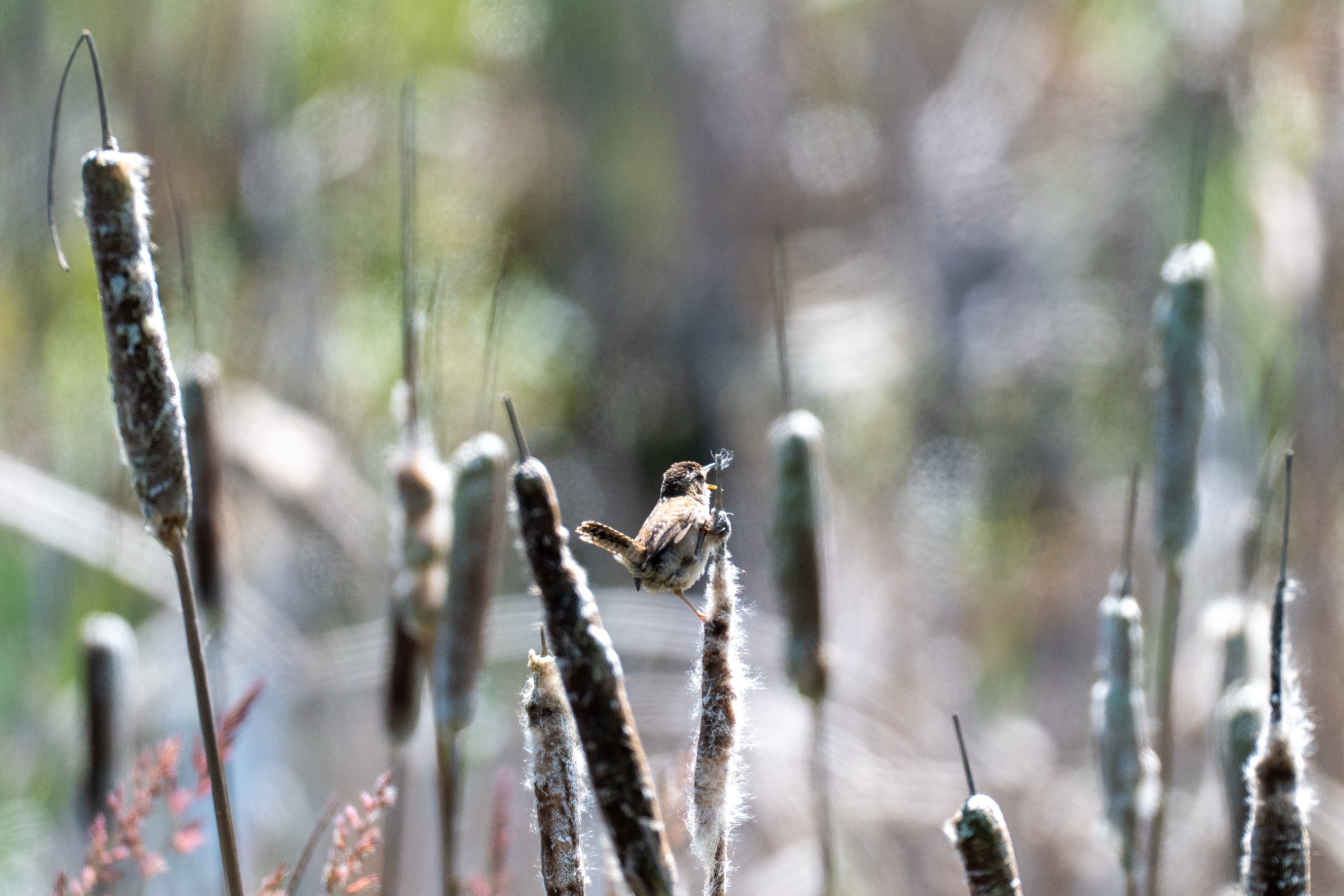
These little Pokémon build fake nests around their habitat to trick predators. This one is grabbing a bit cattail, probably to build one.
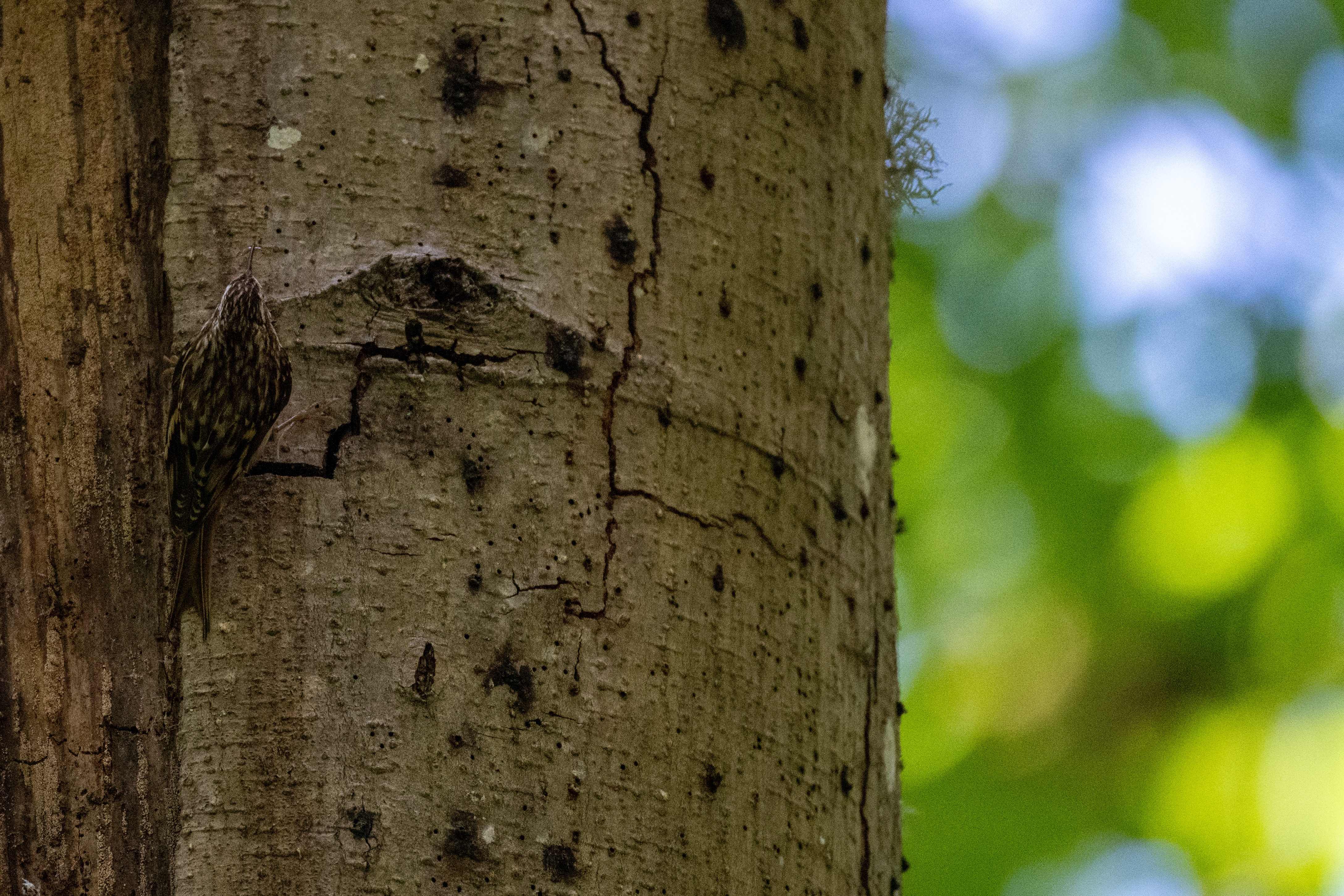
Because of their habitat and diet, their presence is an indicator of old growth forest health as those conditions are more prevalent in old growth forests.
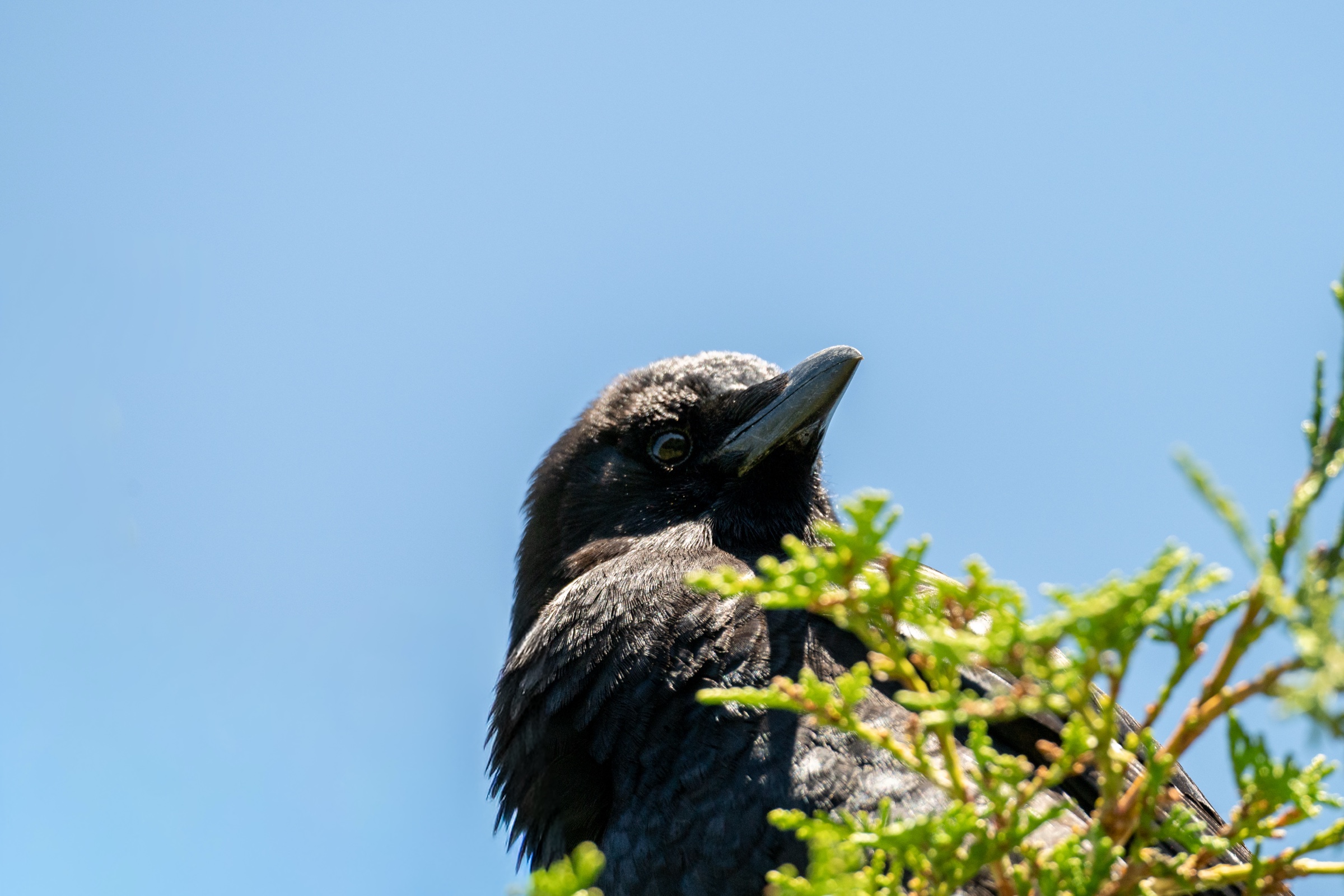
If you're walking around Capitol Hill and you're hear them going off above you, beware of swooping... they can recognize (or misrecognize) people and hold a grudge for years.
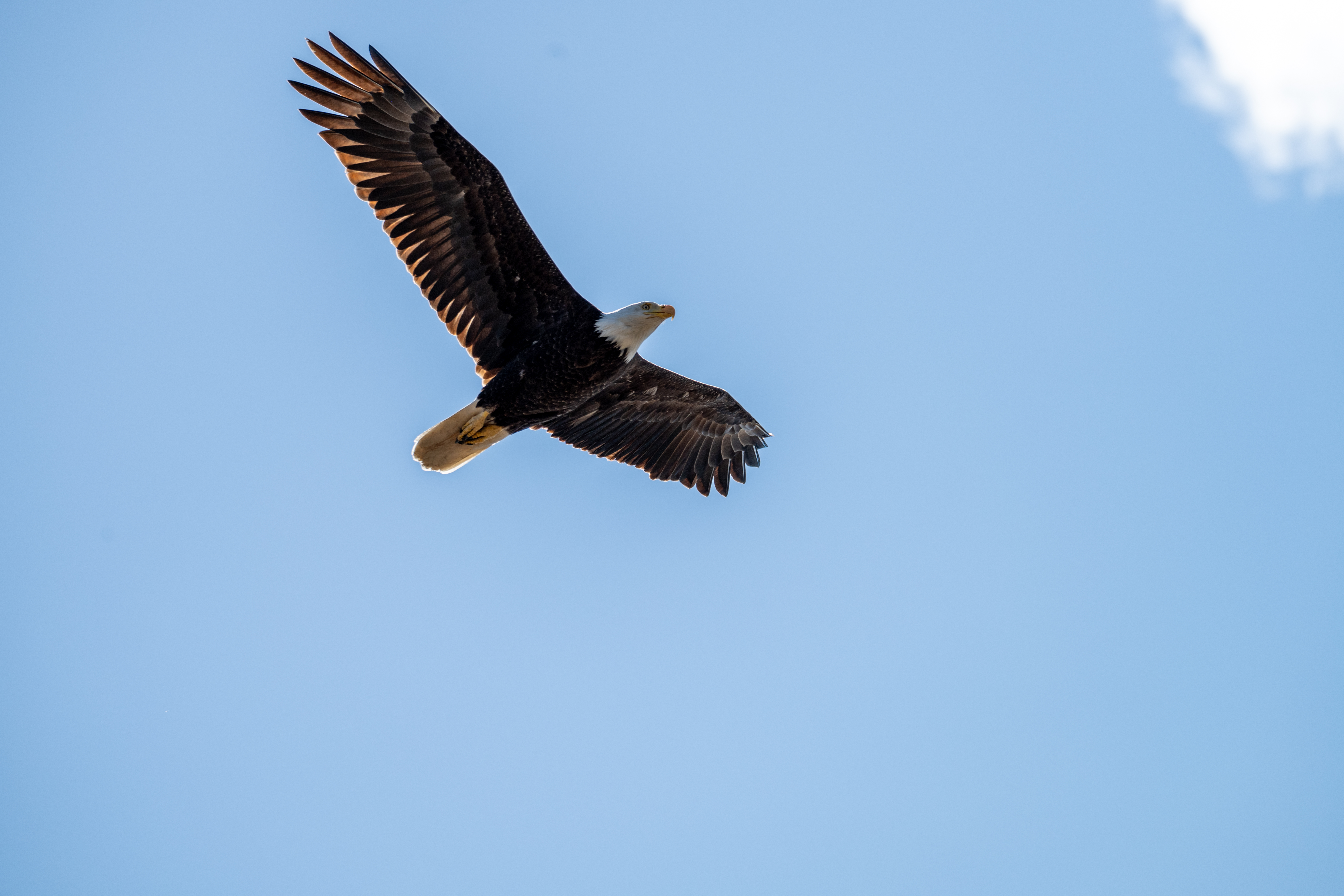
The name comes from an old English word, balde, which actually means "white".
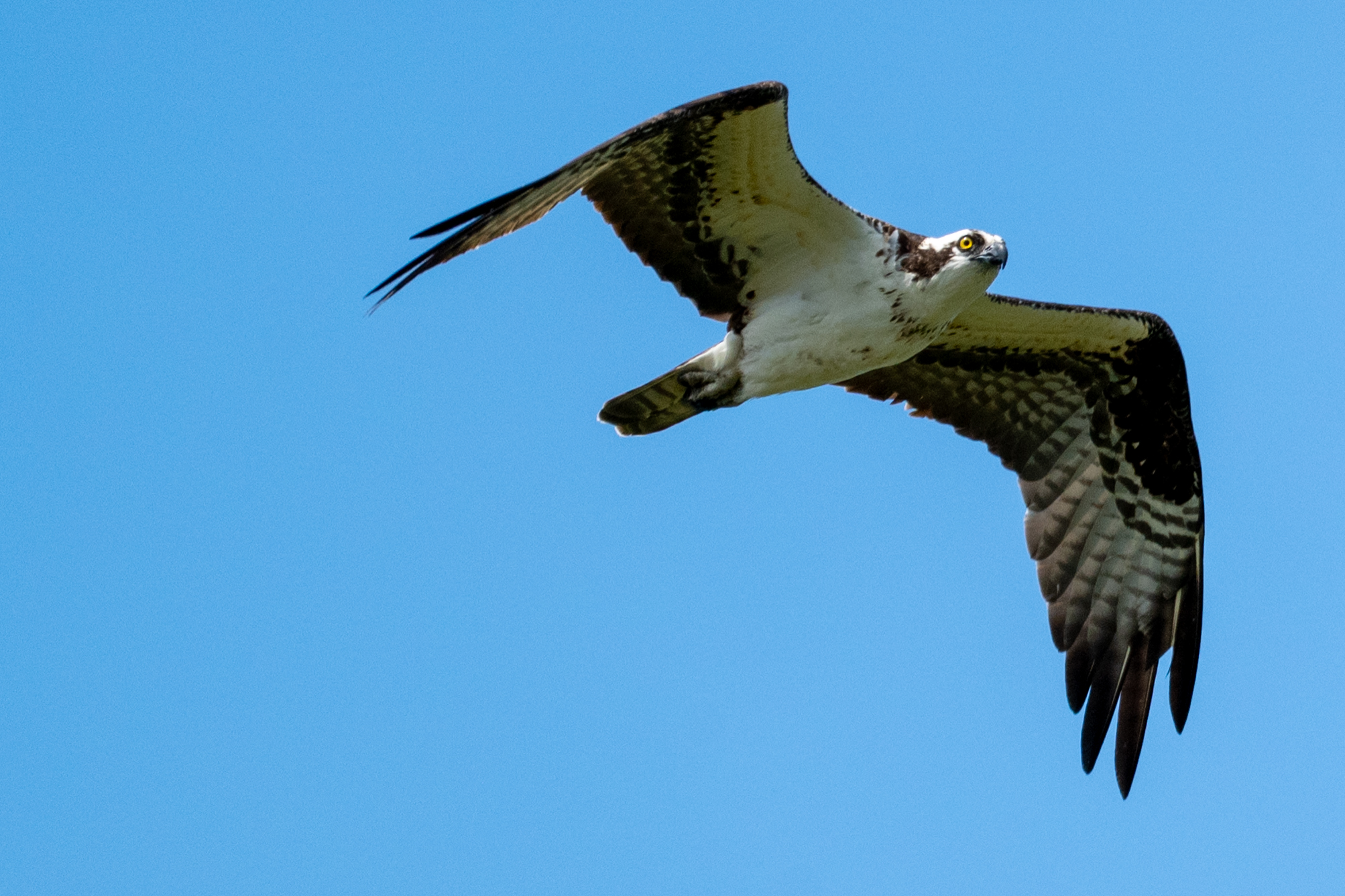
These bad boys will dive from 130ft at 40 - 50mph.